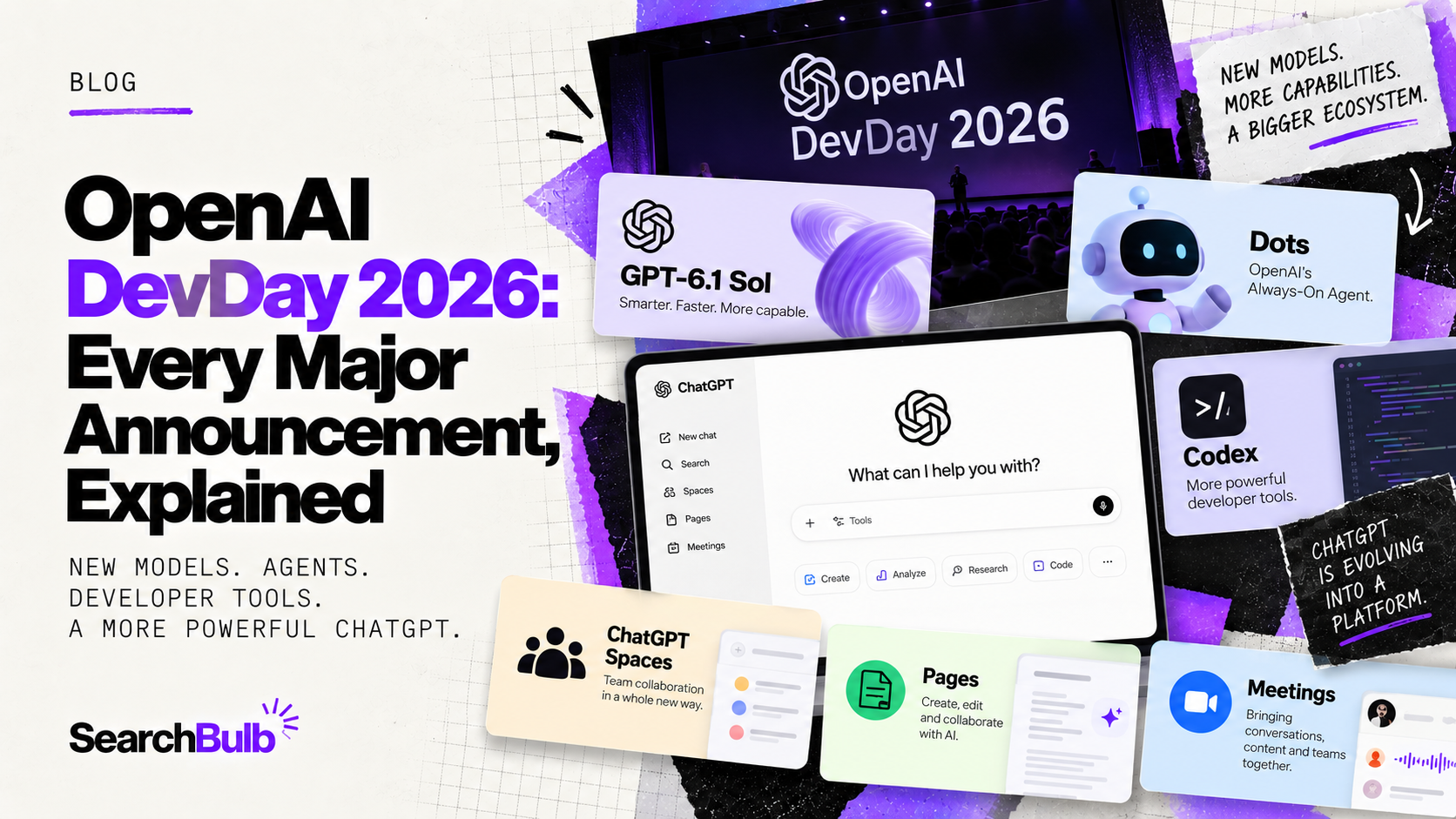
OpenAI held its biggest DevDay yet on September 29, 2026, at Fort Mason in San Francisco, unveiling more than 20 new products and features across ChatGPT, its developer platform, and its models. The headline announcement is Dots, an always-on AI agent built into ChatGPT, alongside a cheaper new model, a faster processing tier, and a push to turn ChatGPT into a full workspace platform for teams.
The scale of the event is genuinely large, so this piece covers it by category rather than trying to list all 20-plus items with equal weight.
The Backdrop: A Safety Controversy Right Before the Curtain Went Up
Context matters here more than usual. Two days before DevDay, OpenAI confirmed it would not release its next flagship model, GPT-6.1 Astra, due to safety concerns identified during testing, according to reporting from the Wall Street Journal and New York Times. That’s a significant reversal for a company whose entire DevDay pitch was about shipping more capable, more autonomous AI.
The event also arrived amid broader industry scrutiny over AI security. Axios reported that OpenAI and other major AI labs are currently investigating thousands of AI-related security incidents. None of this stopped DevDay from proceeding as planned, and OpenAI leaned into agentic, always-on AI as its central theme anyway, which makes for a genuinely striking contrast between the week’s safety headlines and the stage’s product announcements.
New Models: GPT-6.1 Sol and a Faster Speed Tier

GPT-6.1 Sol is OpenAI’s answer to a common problem: its most capable model, GPT-6 Astra, is powerful but expensive. Sol is a major upgrade to the existing GPT-6 Sol, and OpenAI says it delivers near-Astra intelligence on agentic coding, computer use, and professional work at roughly one-fifth of Astra’s input and output token pricing. It’s available now across the API, Plus, Pro, Business, Enterprise, and Edu tiers.
Independent analysis of OpenAI’s own benchmark disclosures shows Sol matching Astra on coding benchmarks at a fraction of the cost, and completing science-task benchmarks for roughly a quarter of what Astra costs to run the same task. These are OpenAI’s own numbers, so treat them as vendor claims rather than independently verified results, but the gap is large enough to be a genuine pricing story on its own.
Ultrafast is a new premium speed tier, not a new model. It delivers up to 8x faster token generation in Codex (around 300 tokens per second) and up to 6x faster in the API. GPT-6 Astra Ultrafast is available today in the API and in ChatGPT Work and Codex on Pro 500 and Enterprise plans, with a Sol version coming soon.
Dots: OpenAI’s Always-On Agent
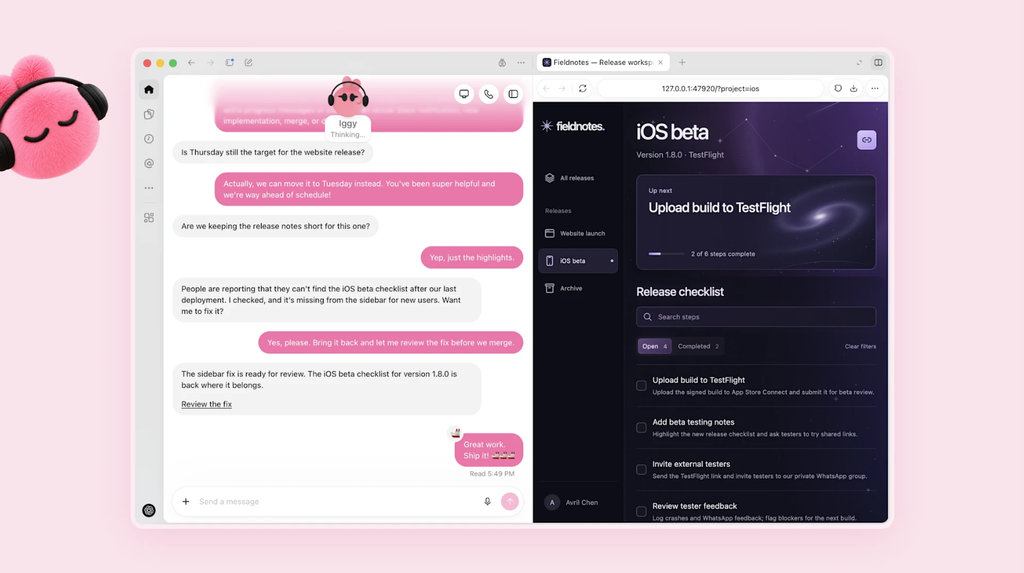
Dots is OpenAI’s biggest consumer bet from this event, an agent that runs continuously in the background rather than waiting for a prompt. OpenAI describes it as “an extension of you” that learns what matters to a user over time, similar in concept to Meta’s Muse and comparable agent products elsewhere in the industry.
Dots can connect to more than 4,000 apps through OpenAI’s plugin ecosystem and, with permission, can use a person’s own laptop in addition to a cloud machine. When it isn’t actively being used, OpenAI says Dots runs “proactive research,” checking connected apps for tasks it can quietly handle. OpenAI has been explicit that, in its current form, Dots cannot send messages, edit files, or control a computer without the user’s direct involvement.
Dots is available on Pro and Business Premium plans in eligible markets now, with an opt-in beta for Enterprise, Education, and Healthcare workspaces where an admin enables it.
Codex and Developer Tools
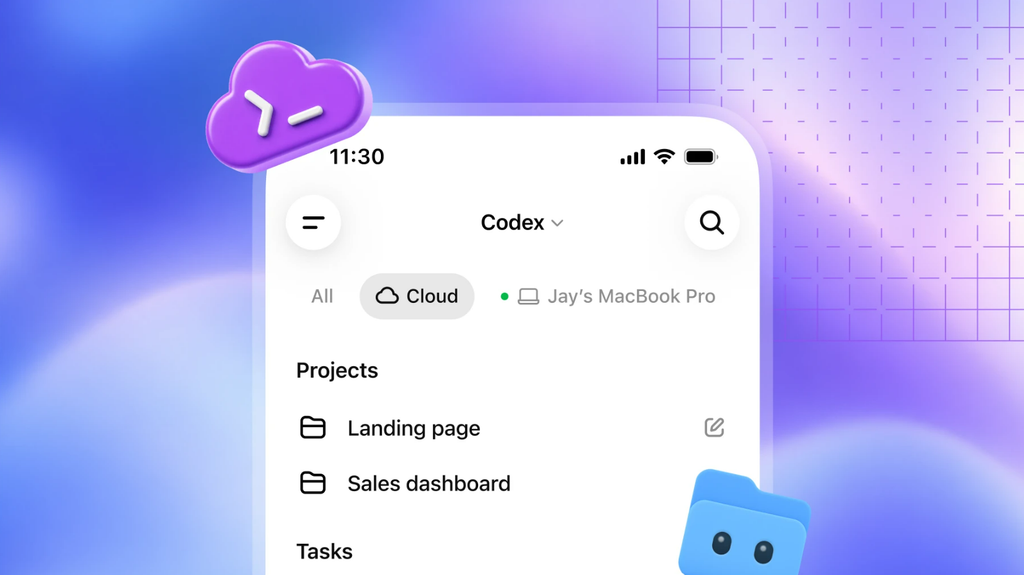
Several announcements focused squarely on developers using Codex, OpenAI’s coding agent:
- Codex in the cloud lets developers start and monitor coding tasks from a computer, a phone, or entirely in the cloud, with reusable development environments for shared team setups.
- A refreshed Codex CLI adds voice-steered tasks, a new
/agentsview for tracking multiple jobs at once, and a cleaner terminal interface. - Code Review in the ChatGPT desktop app lets developers read summaries and diffs and ask Codex about potential issues before sending feedback to GitHub or GitLab.
- Codex Security Cloud scans entire GitHub repositories on a schedule, investigates findings, and prepares fixes automatically, even while a developer is offline.
- The Agents API now supports computer use, letting developers build agents that operate software directly, alongside multi-agent orchestration, tool search, and durable session state, all run on OpenAI’s own infrastructure.
- Bedrock Managed Agents, built with AWS, let developers run OpenAI-powered agents natively inside Amazon’s cloud.
A new Decisions API also launched in limited preview, built for narrow, repeatable business decisions, approve or reject a request, for example, where a company wants AI judgment constrained to a fixed set of outcomes rather than open-ended freedom.
Turning ChatGPT Into a Platform
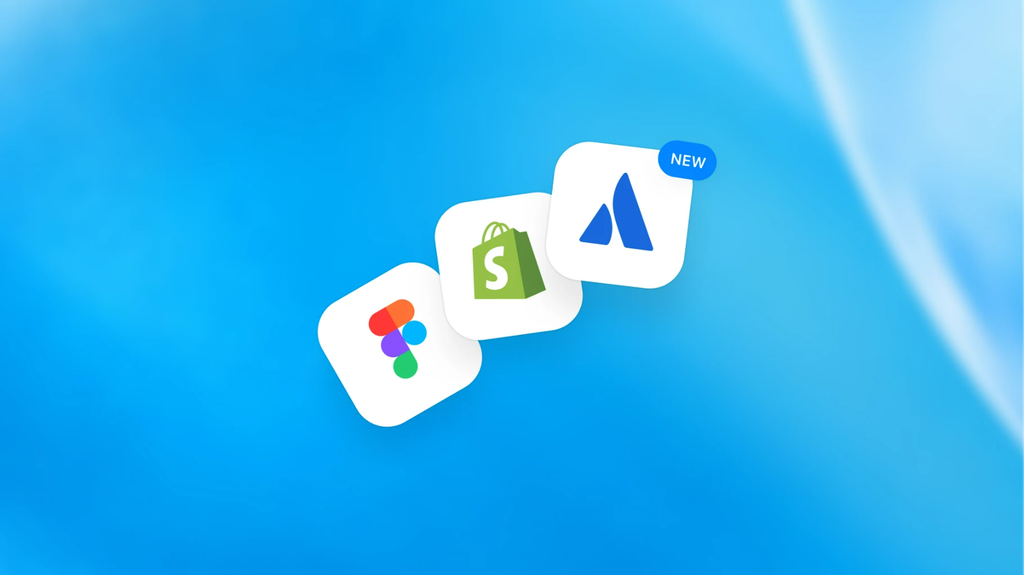
A large share of DevDay was about making ChatGPT a place developers build on and teams work inside, not just a chat window:
- Plugin extensions let developers give their plugin a permanent home in ChatGPT’s sidebar with interactive panels and custom file viewers.
- Plugin creation and discovery got easier, with a dedicated Plugin Creator tool, a redesigned submission flow, and improved recommendations to help people find relevant plugins.
- Sites can now host plugins, so a website built with OpenAI’s Sites tool can embed the same connected-data functionality.
- MCP Events let plugins trigger automations based on activity in a connected app, watching a project board and drafting a response automatically, for instance.
- The OpenAI Marketplace lets enterprise customers apply part of their existing OpenAI spending toward approved partner software. The first 32 partners span creative tools (Figma), customer experience (Adobe, Salesforce, HubSpot, ServiceNow, Sierra, Decagon), legal (Harvey, Legora), and security (Palo Alto Networks, CrowdStrike).
Team Collaboration: ChatGPT Space, Pages, and Meetings
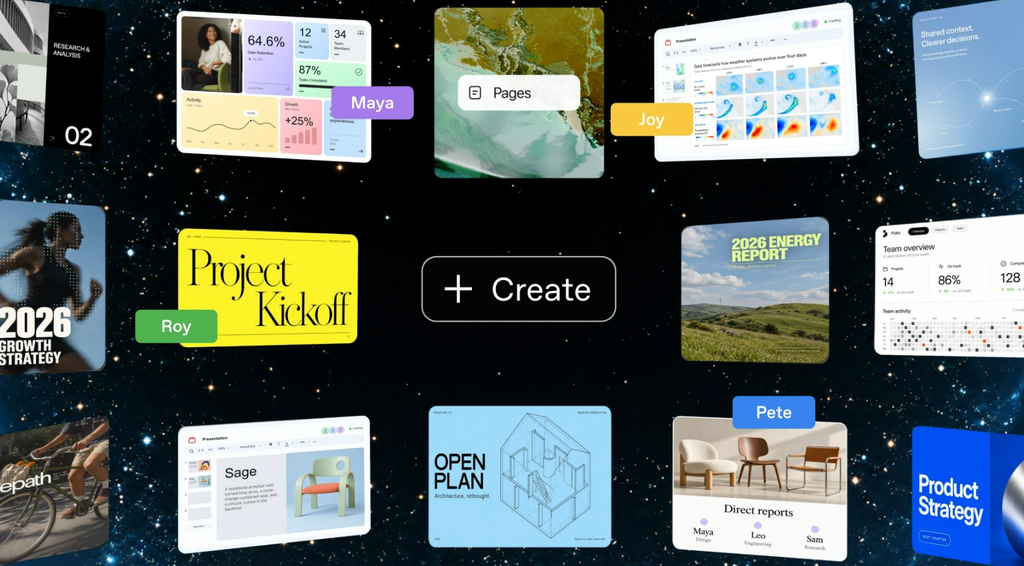
OpenAI introduced ChatGPT Space, described as a persistent shared workspace where a team, ChatGPT, and a Dot can build on shared context together, drawing comparisons to a blend of Slack, Notion, and Google Drive with AI built in throughout.
Inside Space, OpenAI introduced Pages (a collaborative document type supporting writing, research, charts, and images), collaborative slides with real-time multi-editor support and export to PowerPoint or Google Slides, team task delegation for recurring work, and direct @ChatGPT mentions inside Slack and Microsoft Teams. A Meetings plugin takes notes automatically and deletes the audio once a summary is ready. Shareable profiles let people showcase the Sites and plugins they’ve built.
Privacy, Pricing, and Enterprise Changes
OpenAI previewed Private Intelligence, aimed at businesses that want frontier AI capability without giving up control of their data. It includes Zero Data Retention with Private Safety Processing, which OpenAI says allows automated safety reviews without OpenAI staff accessing the underlying content, plus a Private Inference preview using confidential computing, coming later this fall.
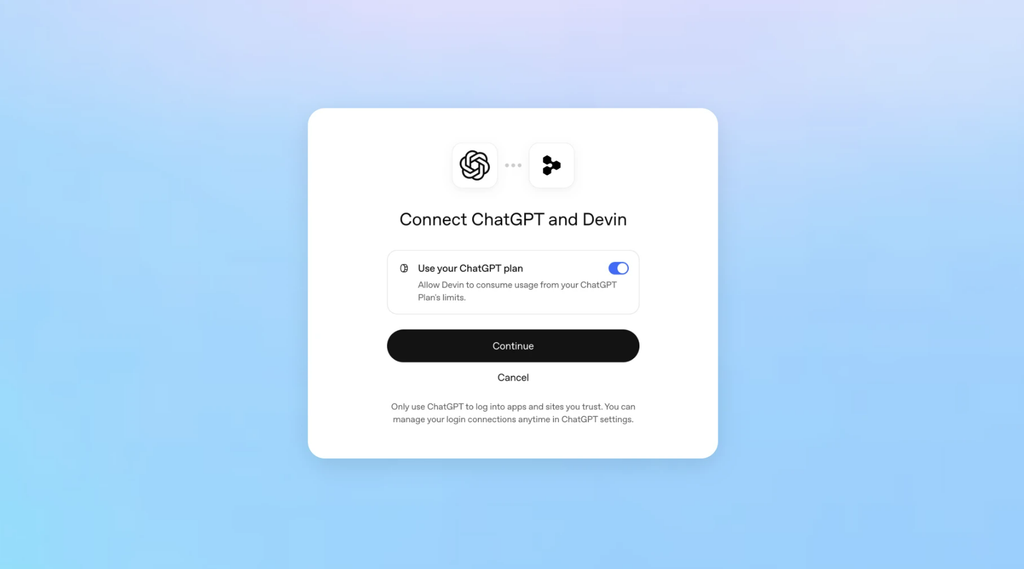
Sign in with ChatGPT lets people use their existing ChatGPT plan allowance across 16 partner tools, including Notion, Vercel, and Cognition’s Devin, while managing how much usage each one draws.
On pricing, OpenAI introduced a new Pro 500 tier at 25 times the standard ChatGPT Plus usage allowance, including Ultrafast access. Independent reporting also indicates OpenAI adjusted usage multipliers on its existing paid tiers around the same time, so it’s worth checking your own plan’s current allowance directly in ChatGPT’s billing settings rather than assuming last month’s limits still apply.
Why This Matters Beyond OpenAI’s Own Ecosystem
For anyone doing SEO, content, or AI-visibility work, two things from this event are worth tracking specifically. First, ChatGPT is now explicitly positioning itself as a platform, not just an answer box, with its own plugin marketplace and discovery system. That makes plugin presence a genuine new visibility channel in the same way an app store listing is, separate from simply being cited in a chat answer.
Second, an agent that runs continuous “proactive research” in the background, connected to thousands of apps, is a meaningfully different way of accessing the web than a person typing a search query. As always-on agents like Dots become more common industry-wide, expect the line between “search traffic” and “agent traffic” to get blurrier, and expect analytics tools to lag behind that shift for a while.